
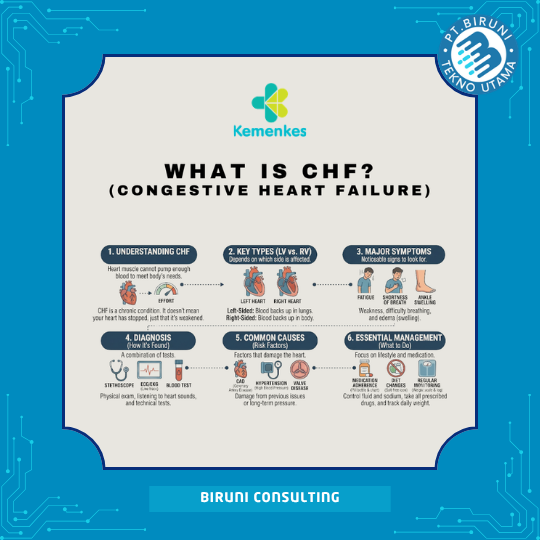
Guide to Congestive Heart Failure (CHF), including its definition, causes, symptoms, diagnosis, treatment, and prevention.
Congestive Heart Failure (CHF) is a chronic condition in which the heart cannot pump blood efficiently enough to meet the body’s need for oxygen and nutrients. As a result, blood and fluid may accumulate in the lungs, legs, ankles, and other parts of the body, causing a variety of health problems.
Although it is called “heart failure,” this does not mean the heart has completely stopped functioning. Instead, it indicates that the heart’s pumping ability has weakened due to damage or underlying heart disease. With early diagnosis, proper treatment, and lifestyle modifications, many people with CHF can continue to lead active and productive lives.
Causes of CHF
CHF usually develops when the heart muscle becomes weakened or is forced to work harder over a long period. Several medical conditions can gradually reduce the heart’s ability to pump blood effectively, increasing the risk of heart failure.
Some of the most common causes of CHF include:
- Coronary artery disease that reduces blood flow to the heart muscle.
- Uncontrolled high blood pressure (hypertension).
- Previous heart attacks that damage the heart muscle.
- Heart valve disorders that affect normal blood circulation.
- Cardiomyopathy, diabetes, obesity, and smoking.
Symptoms of CHF
The symptoms of CHF may develop gradually or appear more rapidly depending on the severity of the condition. During the early stages, symptoms are often mild and may be mistaken for normal fatigue or aging.
Common symptoms include:
- Shortness of breath during physical activity or while lying down.
- Persistent fatigue and weakness.
- Swelling of the feet, ankles, or legs.
- Rapid or irregular heartbeat.
- Sudden weight gain caused by fluid retention.
Diagnosis of CHF
Diagnosing CHF involves reviewing the patient’s medical history, performing a physical examination, and conducting several diagnostic tests to evaluate heart function. Early diagnosis is essential for determining the most appropriate treatment plan.
Doctors commonly perform the following examinations:
- Electrocardiogram (ECG/EKG).
- Echocardiogram (heart ultrasound).
- Chest X-ray.
- Blood tests.
- CT scan or cardiac MRI when necessary.
Treatment for CHF
The primary goal of CHF treatment is to relieve symptoms, slow disease progression, and improve the patient’s quality of life. Treatment plans are tailored to each patient’s condition and the underlying cause of heart failure.
Common treatment approaches include:
- Taking medications as prescribed by a physician.
- Following a low-sodium and heart-healthy diet.
- Exercising according to medical recommendations.
- Controlling blood pressure, blood sugar, and cholesterol levels.
- Undergoing medical procedures or surgery when necessary.
How to Prevent CHF
Although not every case of CHF can be prevented, adopting a healthy lifestyle can significantly reduce the risk of developing heart failure. Managing cardiovascular risk factors is one of the most effective ways to protect heart health.
Recommended preventive measures include:
- Stop smoking and limit alcohol consumption.
- Maintain a healthy body weight.
- Exercise regularly.
- Eat a balanced and nutritious diet.
- Schedule routine medical check-ups.
Conclusion
Congestive Heart Failure (CHF) is a serious condition in which the heart’s ability to pump blood is reduced, affecting the delivery of oxygen and nutrients throughout the body. Recognizing the causes, symptoms, and warning signs early allows patients to receive timely treatment and reduce the risk of severe complications.
In the diagnosis and treatment of CHF, medical devices such as patient monitors, electrocardiographs (ECG), defibrillators, ventilators, and other diagnostic equipment play a critical role in supporting quality healthcare services. Biruni Consulting provides professional consulting services for companies seeking assistance with medical device registration, marketing authorization, and regulatory compliance, helping ensure that healthcare products can be legally distributed in Indonesia.
Contact Us
Biruni Consulting is a professional regulatory compliance consultant that assists companies with medical device licensing and registration services in Indonesia.
Our services include:
- Consultation on medical device registration and marketing authorization requirements.
- Assistance with licensing for locally manufactured and imported medical devices.
- Preparation and review of administrative and technical documentation.
- Consultation on medical device regulatory compliance and related certifications.
- End-to-end assistance throughout the registration process until the medical device license is successfully issued.
With extensive experience in product certification and regulatory compliance, Biruni Consulting helps businesses obtain medical device licenses efficiently while ensuring full compliance with Indonesian regulations.
Contact Biruni Consulting today for professional consultation and comprehensive assistance with your medical device licensing requirements