
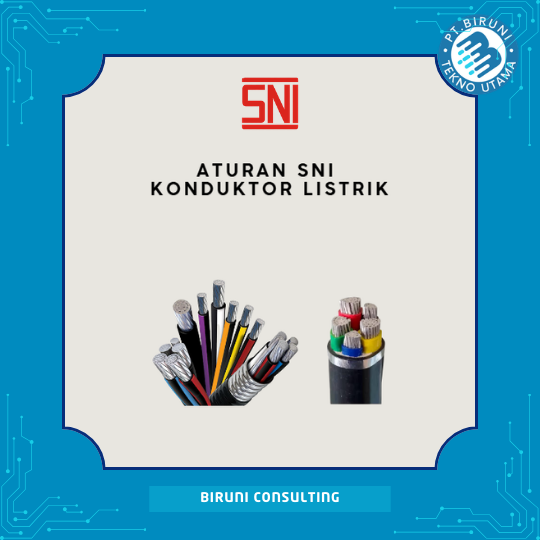
SNI Regulation for Electrical Conductors
Electrical conductors are the core component of electrical cables responsible for carrying electric current in residential, commercial, and industrial installations. The quality of conductors directly impacts energy efficiency, safety, and system reliability. Therefore, electrical conductors distributed in Indonesia must comply with the Indonesian National Standard (SNI) and relevant safety and environmental regulations.
Applicable SNI Standards
SNI standards are established by Badan Standardisasi Nasional and generally adopt IEC standards, particularly:
SNI based on IEC 60228 for Conductors of Insulated Cables
This standard regulates:
Conductor classes (solid, stranded, flexible)
Nominal cross-sectional area
Maximum electrical resistance at 20°C
Conductor material such as copper or aluminum
Construction and strand configuration
Regulatory and K3L Compliance
Mandatory SNI implementation for electrical products is regulated under Ministry of Industry regulations concerning compulsory SNI for electronic and low-voltage electrical products.
From a K3L perspective (Occupational Safety, Health, and Environmental compliance), conductors must meet safety criteria including:
Prevention of overheating
Use of safe and compliant materials
Compliance with hazardous substance limits where applicable
Safe installation compatibility
Testing must be conducted in laboratories accredited by Komite Akreditasi Nasional and certification is issued as SPPT SNI by authorized Certification Bodies.
Conclusion
SNI regulations for electrical conductors ensure product safety, technical compliance, and environmental responsibility. Certification guarantees legal market access and enhances consumer trust.
Biruni Consulting is a professional compliance consultant assisting companies in obtaining SNI certification for electrical conductors. We provide end-to-end support from standard identification and documentation preparation to laboratory coordination and final certification issuance.