
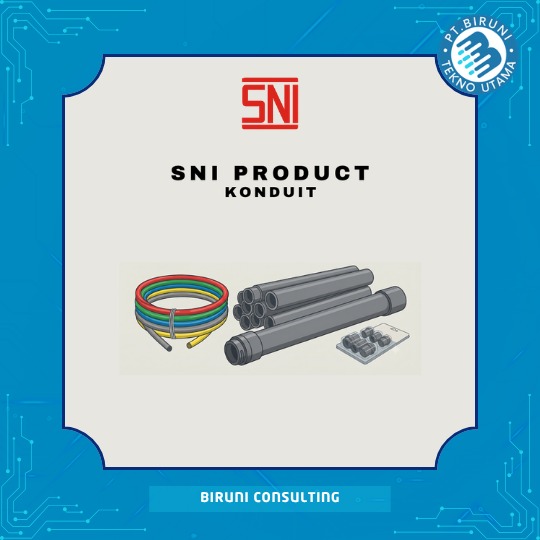
SNI for Electrical Conduits in Indonesia
Electrical conduits are essential components of electrical installation systems, designed to protect electrical cables from mechanical damage, moisture, dust, corrosion, and other environmental conditions. Using conduits that comply with the Indonesian National Standard (SNI) is important to ensure the safety, durability, and reliability of electrical installations in residential, commercial, industrial, and public infrastructure projects.
SNI certification for electrical conduits ensures that products manufactured locally or imported into Indonesia meet applicable technical, safety, and quality requirements before being distributed in the Indonesian market. During the certification process, conduit products undergo document evaluation, laboratory testing, and conformity assessment to verify compliance with the relevant Indonesian standards.
The implementation of SNI contributes to safer electrical installations by reducing the risk of cable damage, electrical faults, short circuits, and fire hazards that may result from substandard conduit products. Compliance with SNI also supports contractors, manufacturers, and building owners in meeting Indonesian regulatory requirements while improving the overall quality of electrical infrastructure.
Electrical conduits are widely used in residential buildings, office towers, shopping centers, hospitals, educational institutions, factories, warehouses, transportation facilities, power plants, and numerous industrial applications. Because conduits serve as a protective pathway for electrical wiring, selecting certified products is an important part of designing a safe and reliable electrical system.
Common Types of Electrical Conduits
Various conduit products are used depending on installation requirements and environmental conditions.
1 PVC conduits (Polyvinyl Chloride)
2 Galvanized steel conduits
3 Flexible metal conduits
4 Rigid metal conduits
5 HDPE conduits (High Density Polyethylene)
6 Flexible non-metallic conduits
7 Conduit accessories including elbows, couplings, connectors, and junction boxes
8 Underground and outdoor conduit systems
Each conduit type has different technical characteristics, material properties, and testing requirements based on its intended application.
Why SNI Certification for Conduits Is Important
SNI certification provides confidence that conduit products have been evaluated against nationally recognized technical requirements. Certified conduits offer better mechanical protection, improved durability, and greater reliability throughout the service life of an electrical installation.
Quality conduits protect electrical cables against impact, compression, moisture, corrosion, excessive heat, and environmental exposure. This protection helps reduce maintenance costs, improves installation longevity, and enhances overall electrical safety.
For manufacturers and importers, obtaining SNI certification demonstrates regulatory compliance while increasing customer confidence and competitiveness in the Indonesian market.
How to Obtain SNI Certification for Electrical Conduits
Product Identification
The certification process begins by identifying the conduit type, material composition, dimensions, intended application, and technical specifications. This information determines the applicable certification requirements and laboratory testing procedures.
Document Preparation
Typical certification documents include:
1 Business registration documents
2 Technical product specifications
3 Product datasheets
4 Engineering drawings
5 Product labels and packaging information
6 Additional supporting documents required by the certification body
Accurate and complete documentation facilitates the certification review process.
Certification Application
Applications are submitted to a Product Certification Body (LSPro) accredited by Komite Akreditasi Nasional for the relevant product scope.
Laboratory Testing
Electrical conduit products undergo laboratory testing according to applicable Indonesian standards.
Testing may include:
1 Dimensional verification
2 Impact resistance testing
3 Mechanical strength testing
4 Heat resistance testing
5 Corrosion resistance testing for metallic conduits
6 Electrical insulation testing for non-metallic conduits
7 Flame resistance testing where applicable
Testing requirements vary depending on the conduit material and product category.
SPPT SNI Issuance
Once all certification requirements have been successfully completed and laboratory testing confirms compliance with the applicable Indonesian National Standards, the Product Certification Body issues the SPPT SNI. This certificate officially authorizes the product to use the SNI mark and confirms that it may be legally distributed within Indonesia.
Common Certification Challenges
Common certification challenges include incomplete technical documentation, laboratory test failures, material specifications that do not comply with applicable standards, and non-conformities identified during factory assessments.
Careful preparation, proper product design, complete documentation, and compliance with technical requirements can significantly improve the efficiency of the certification process and reduce approval delays.
Contact Us
Biruni Consulting helps companies in the SNI certification process for electrical conduits professionally and in accordance with applicable regulations in Indonesia
Our services include
1 Consultation on SNI regulations for electrical conduits
2 Identification of applicable standards
3 Certification document preparation
4 Laboratory testing assistance
5 Certification processing until SPPT SNI issuance
With extensive experience in product certification in Indonesia Biruni Consulting helps ensure electrical conduit products comply with applicable safety and quality requirements and are ready for legal distribution in Indonesia
Contact Us for electrical conduit SNI certification services consultation and SPPT SNI processing