
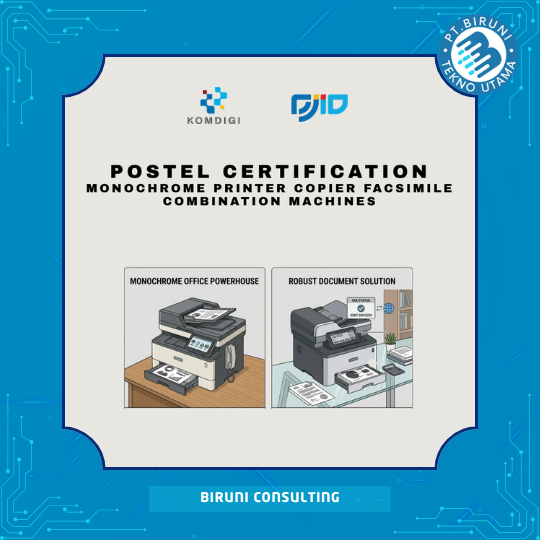
Monochrome printer copier facsimile combination machines are widely used in offices, government institutions, educational facilities, healthcare organizations, financial institutions, and industrial environments. These multifunction devices are designed to handle high-volume document processing while maintaining lower operating costs compared to color printing equipment.
By combining printing, copying, scanning, and facsimile functions into a single machine, organizations can improve workflow efficiency, reduce equipment investment, and simplify daily document management. As business requirements continue to evolve, manufacturers have also introduced advanced connectivity features that allow users to access multifunction devices more conveniently.
Many modern monochrome multifunction machines now include wireless technologies such as WiFi, Bluetooth, WiFi Direct, mobile printing, cloud printing, and remote device management systems. These features enable employees to print and manage documents directly from computers, smartphones, tablets, and cloud-based platforms without relying solely on physical network connections.
Because of these wireless communication capabilities, many importers, distributors, and manufacturers ask whether monochrome printer copier facsimile combination machines require Postel or SDPPI certification before being imported, sold, or distributed.
In general, certification requirements are not determined by whether the machine prints in black and white or whether it includes copier and facsimile functions. The primary consideration is whether the device contains wireless communication modules that transmit or receive data through radio frequencies.
If the product operates exclusively through wired connections such as USB or Ethernet and does not contain wireless communication technology, Postel certification may not be required. However, when WiFi, Bluetooth, or other radio communication modules are integrated into the equipment, certification requirements should be evaluated before market entry.
For businesses planning to import multifunction office equipment, understanding certification obligations early in the process can help avoid delays, reduce compliance risks, and support smoother product commercialization.
Features That Commonly Require Postel Certification
The need for Postel certification is generally linked to the wireless communication technologies embedded within the device.
1. WiFi Connectivity and Wireless Printing
Many monochrome multifunction machines support wireless printing through office WiFi networks. This allows employees to print documents from multiple devices without requiring direct cable connections.
Because WiFi modules operate using radio frequencies regulated by telecommunications authorities, devices equipped with WiFi functionality generally require SDPPI/Postel certification before distribution.
For modern office environments where flexible printing access is essential, WiFi has become one of the most common features that trigger certification requirements.
2. Bluetooth Communication
Some multifunction devices include Bluetooth connectivity to support mobile printing, device pairing, and system configuration.
Although Bluetooth is designed for short-range communication, it remains a radio communication technology that may require compliance with applicable certification regulations.
Manufacturers and importers should therefore evaluate Bluetooth-enabled equipment as part of their compliance planning process.
3. WiFi Direct Technology
WiFi Direct enables users to connect directly to the printer without relying on a router or centralized network infrastructure.
This feature is particularly useful in offices that require quick and convenient document printing from smartphones, tablets, or laptops.
Since WiFi Direct uses radio frequency communication technology, devices equipped with this functionality may require certification before commercialization.
4. Mobile Printing Applications
Many modern multifunction machines support printing through dedicated mobile applications.
These applications allow users to send print jobs, monitor printer status, manage settings, and receive notifications remotely. Such functionality often depends on wireless communication modules that may be subject to certification requirements.
5. Cloud Printing and Remote Management Systems
Advanced office equipment increasingly supports cloud printing services and remote administration platforms.
These systems allow businesses to manage printing resources across multiple locations while improving operational efficiency.
Because communication with cloud services frequently relies on integrated wireless modules, certification requirements should be assessed before product distribution.
Why Is Postel Certification Important for Monochrome Multifunction Machines?
Obtaining certification is not merely a regulatory obligation. It also provides practical business benefits for companies involved in importing, distributing, and marketing multifunction office equipment.
1. Supporting Legal Importation and Distribution
Wireless-enabled products that have not completed required certification procedures may face difficulties during customs clearance, product registration, or market distribution.
Certification helps demonstrate compliance with applicable telecommunications regulations and supports smoother importation processes.
For businesses managing large product volumes, regulatory compliance can significantly reduce operational risks.
2. Ensuring Compliance with Radio Frequency Regulations
Wireless communication technologies utilize radio frequency spectrums that are regulated by government authorities.
Through technical evaluation and certification procedures, authorities can verify that devices operate within approved frequency ranges and comply with applicable standards.
This helps minimize interference risks and supports reliable communication performance.
3. Increasing Customer and Distributor Confidence
Products that comply with regulatory requirements often generate greater confidence among distributors, resellers, corporate customers, and government institutions.
Certification demonstrates that a product has undergone technical evaluation and meets established compliance requirements.
This can strengthen a company’s reputation and improve market acceptance.
4. Supporting Procurement and Business Expansion
Many organizations prefer purchasing products that already comply with regulatory requirements.
Certified products may have greater opportunities to participate in corporate procurement projects, government tenders, and large-scale distribution programs.
As a result, compliance can contribute to long-term business growth and market expansion.
Regulations Applicable to Monochrome Printer Copier Facsimile Combination Machines
Wireless-enabled multifunction office equipment is generally subject to telecommunications regulations governing radio communication devices.
1. Law Number 36 of 1999 on Telecommunications
Provides the legal framework for telecommunications operations and radio communication equipment.
2. Minister of Communication and Informatics Regulation Number 16 of 2018 on Certification of Telecommunications Equipment and Devices
Establishes certification requirements for telecommunications equipment before commercialization.
3. Minister of Communication and Informatics Regulation Number 2 of 2023 on Radio Frequency Spectrum Use Under Class Licenses
Regulates the use of radio frequency spectrums utilized by wireless technologies such as WiFi and Bluetooth.
Documents Commonly Required for Certification
Before submitting a certification application, companies typically need to prepare technical and administrative documentation.
Commonly required documents include:
- product technical specifications
- user manual
- WiFi or Bluetooth module datasheet
- declaration of conformity
- company legal documents
- product photographs and labeling information
- laboratory testing reports where applicable
Preparing complete documentation from the beginning can help reduce delays and improve application efficiency.
How Does the Certification Process Work?
The certification process generally begins with an assessment of the device’s technical specifications to determine whether wireless communication modules are present.
Once certification requirements have been identified, companies proceed with document preparation, laboratory testing coordination, certification application submission, technical evaluation, and certificate issuance after all requirements have been satisfied.
Because multifunction office equipment often integrates multiple communication technologies, an early compliance review is highly recommended to identify the appropriate certification pathway and avoid unnecessary delays.
Contact Us
Managing Postel certification for monochrome printer copier facsimile combination machines requires an understanding of telecommunications regulations, wireless communication technologies, and technical documentation requirements.
Biruni Consulting assists importers, distributors, and manufacturers in identifying certification obligations and managing SDPPI/Postel certification processes efficiently and professionally.
Our services include:
- SDPPI/Postel regulatory consultation
- certification requirement assessment
- wireless module evaluation
- technical document preparation
- laboratory testing coordination
- SDPPI/Postel certification application management
- compliance support for imported multifunction office equipment
Contact Biruni Consulting for professional assistance with Postel certification requirements for monochrome printer copier facsimile combination machines