
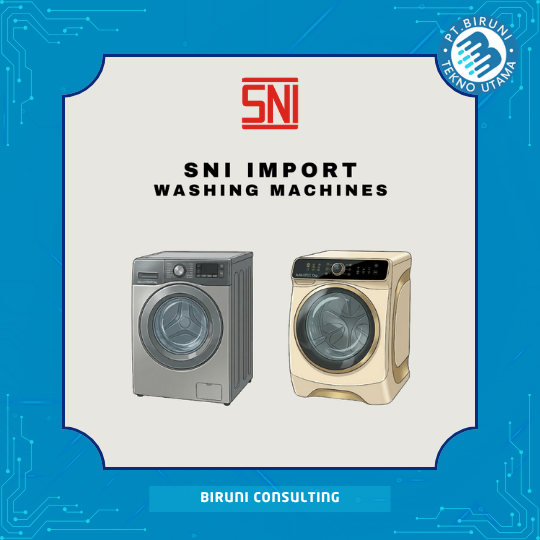
A washing machine is a household electrical appliance designed to clean, rinse, and spin clothes automatically or semi-automatically. Modern washing machines are available in various types, including top-loading machines, front-loading machines, twin-tub models, fully automatic units, and washer-dryer combinations that offer both washing and drying functions in a single appliance.
The demand for washing machines in Indonesia continues to grow as urban development, residential housing, hospitality businesses, laundromats, and commercial facilities expand. To meet market demand, many businesses choose to import washing machines from overseas manufacturers that offer advanced technology, innovative features, and a wide range of product specifications.
Because washing machines operate using electrical systems and are directly used by consumers on a daily basis, they are categorized as electronic products that must comply with applicable Indonesian regulations, safety requirements, and technical standards before being distributed in the market.
Can Washing Machines Be Imported into Indonesia?
Washing machines can be legally imported into Indonesia, provided that importers comply with all applicable import regulations and product requirements. Companies involved in importing washing machines must not only focus on sourcing products from overseas suppliers but also ensure that the products meet Indonesian regulatory standards.
The import process involves more than shipping products across borders. Importers must prepare the necessary documentation, understand customs requirements, verify product specifications, and ensure compliance with applicable certification obligations. Failure to meet these requirements may result in customs delays, additional inspections, or restrictions on product distribution within Indonesia.
Regulations for Importing Washing Machines into Indonesia
The importation of washing machines is supervised by several government authorities responsible for trade regulations, customs administration, industrial products, and product standards.
The main institutions involved generally include:
- Kementerian Perdagangan Republik Indonesia for import trade regulations and product distribution policies.
- Direktorat Jenderal Bea dan Cukai for customs clearance and import supervision.
- Kementerian Perindustrian Republik Indonesia for industrial and electronic product regulations.
- Badan Standardisasi Nasional for the implementation of Indonesian National Standards (SNI).
Understanding the applicable regulations before importation can help businesses avoid compliance issues and streamline the import process.
Requirements for Importing Washing Machines into Indonesia
Before importing washing machines into Indonesia, companies must prepare both business legality documents and import-related documentation. Importers are generally required to possess a valid Business Identification Number (NIB), active OSS registration, and a business classification that allows import activities for electronic products.
In addition to company legality, importers should prepare customs and shipping documents to support the import process. These commonly include a commercial invoice, packing list, Bill of Lading (B/L) or Airway Bill (AWB), purchase order, and customs declaration documents. Complete documentation is important to facilitate customs clearance and reduce administrative delays.
Because washing machines are electronic products, technical documentation is also required. Companies are generally expected to prepare product specifications, technical datasheets, electrical information, product labels, and user manuals to support compliance reviews and certification processes.
Is SNI Certification Required for Washing Machines?
Washing machines are among the household electrical products that may be subject to mandatory SNI requirements depending on the applicable regulations and product category. The implementation of SNI is intended to ensure that products distributed in Indonesia meet acceptable standards for safety, quality, and performance.
For washing machines, compliance with SNI helps ensure that products operate safely and reliably while minimizing risks associated with electrical hazards and product malfunctions. Certification also helps protect consumers from products that do not meet established technical requirements.
To demonstrate compliance with Indonesian standards, companies may be required to obtain the Product Certificate for the Use of the Indonesian National Standard Mark (SPPT SNI) before products can be legally distributed in Indonesia.
SNI Certification Process for Washing Machines
If SNI certification is required, the certification process generally involves several important stages.
1. Identification of Applicable Standards
The first step is determining the SNI standards and technical regulations that apply to the washing machine model being imported. Different product categories may have different compliance requirements depending on their specifications and intended use.
2. Preparation of Technical Documentation
Companies must prepare technical documents describing the product’s specifications, electrical characteristics, and operational features. Complete documentation helps facilitate the certification review process.
3. Laboratory Testing
Washing machines generally undergo testing to verify compliance with applicable safety and performance requirements.
Testing may include:
- Electrical safety testing.
- Product performance evaluation.
- Component and material quality assessment.
- Compliance testing against applicable technical standards.
The purpose of laboratory testing is to confirm that products meet the safety and quality requirements established by Indonesian regulations.
4. Certification Evaluation
After testing is completed, the certification body reviews the laboratory results and supporting documentation to determine whether the product complies with applicable standards.
5. SPPT SNI Issuance
If all certification requirements have been fulfilled, the company may receive the SPPT SNI, which serves as official evidence that the product complies with Indonesian National Standards and can be legally marketed in Indonesia.
Import Process for Washing Machines into Indonesia
Importing washing machines generally involves several key stages that require proper planning and regulatory compliance.
1. Selecting Overseas Suppliers
Importers should carefully evaluate suppliers to ensure they can consistently provide products that meet quality expectations and technical requirements. Supplier credibility, manufacturing capabilities, and product quality records should be reviewed before entering into purchasing agreements.
2. Product Verification
Before shipment, product specifications should be verified to ensure compliance with Indonesian regulations and market expectations. This step helps identify potential issues before products enter the import process.
3. Certification Preparation
If certification is required, businesses should prepare the necessary documentation and certification activities before product distribution begins.
4. Shipment and Customs Clearance
Products are shipped to Indonesia through sea freight or air freight and undergo customs clearance procedures upon arrival. Customs authorities review import documents and verify compliance with applicable regulations before releasing the products.
5. Market Distribution
Once all import and certification requirements have been fulfilled, washing machines can be legally distributed and sold throughout Indonesia.
Common Challenges in Importing Washing Machines
Importers may encounter several challenges during the importation process, particularly when dealing with regulated electronic products.
Some common challenges include:
- Incomplete import documentation.
- Uncertainty regarding SNI certification requirements.
- Customs clearance delays.
- Product testing results that do not meet requirements.
- Regulatory changes affecting imported electronic products.
Understanding these challenges in advance can help businesses prepare more effectively and reduce compliance risks.
Contact Us
Biruni Consulting provides professional assistance for companies seeking washing machine import licensing and certification services in Indonesia.
Our services include:
- Consultation regarding washing machine import regulations.
- Assistance with SNI certification requirements.
- Preparation of technical and administrative documentation.
- Coordination of laboratory testing activities.
- Certification management until SPPT SNI issuance.
With extensive experience in electronic product certification and regulatory compliance, Biruni Consulting helps companies ensure that washing machine products comply with Indonesian requirements and are ready for legal distribution.
Contact Biruni Consulting today for professional washing machine import consulting, SNI certification assistance, and electronic product compliance services